
Why Did The Ice Age Animals Go Extinct?
Jul 27, 2026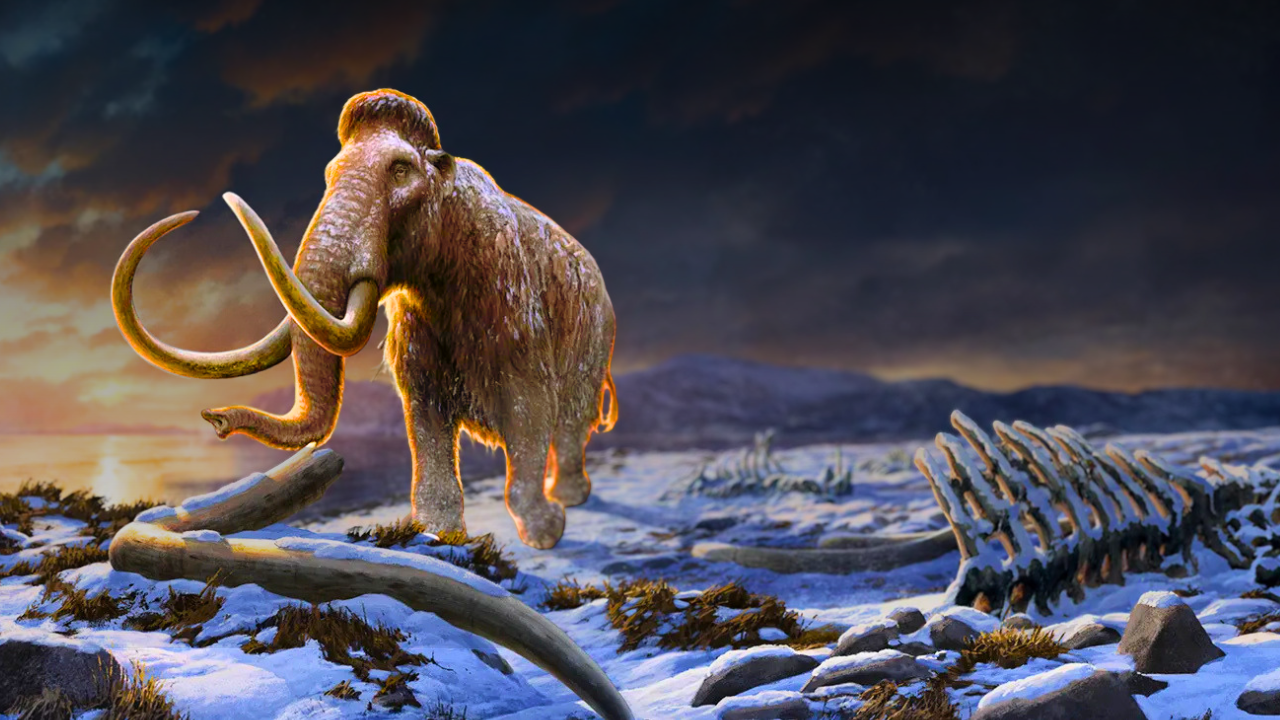
By: Greg Schmalzel
Why did the largest animals on Earth suddenly vanish 13,000 years ago? The planet was once ruled by Ice Age monsters. Woolly mammoths, saber-toothed cats, and giant sloths were battling it out in a frozen world. Then, in a geological blink, they were gone. 65% of these giants went extinct globally. In some places, like Australia, that number may have reached 88%. Despite this stark change in the fossil record, scientists are still fighting over what caused such a massive extinction. Human hunting, climate change, and even extraterrestrial impacts have all been proposed. But are any of them right? Today, we are breaking down the most compelling ideas and seeing what the evidence tells us. It’s a dramatic story, and the lessons within it will hopefully serve humanity well into the future. Because we too are a fragile species. So, let’s try to uncover what really killed the Ice Age giants.
For the full YouTube Video, click HERE.
The Ice Age
Scotese, Christopher R., et al.
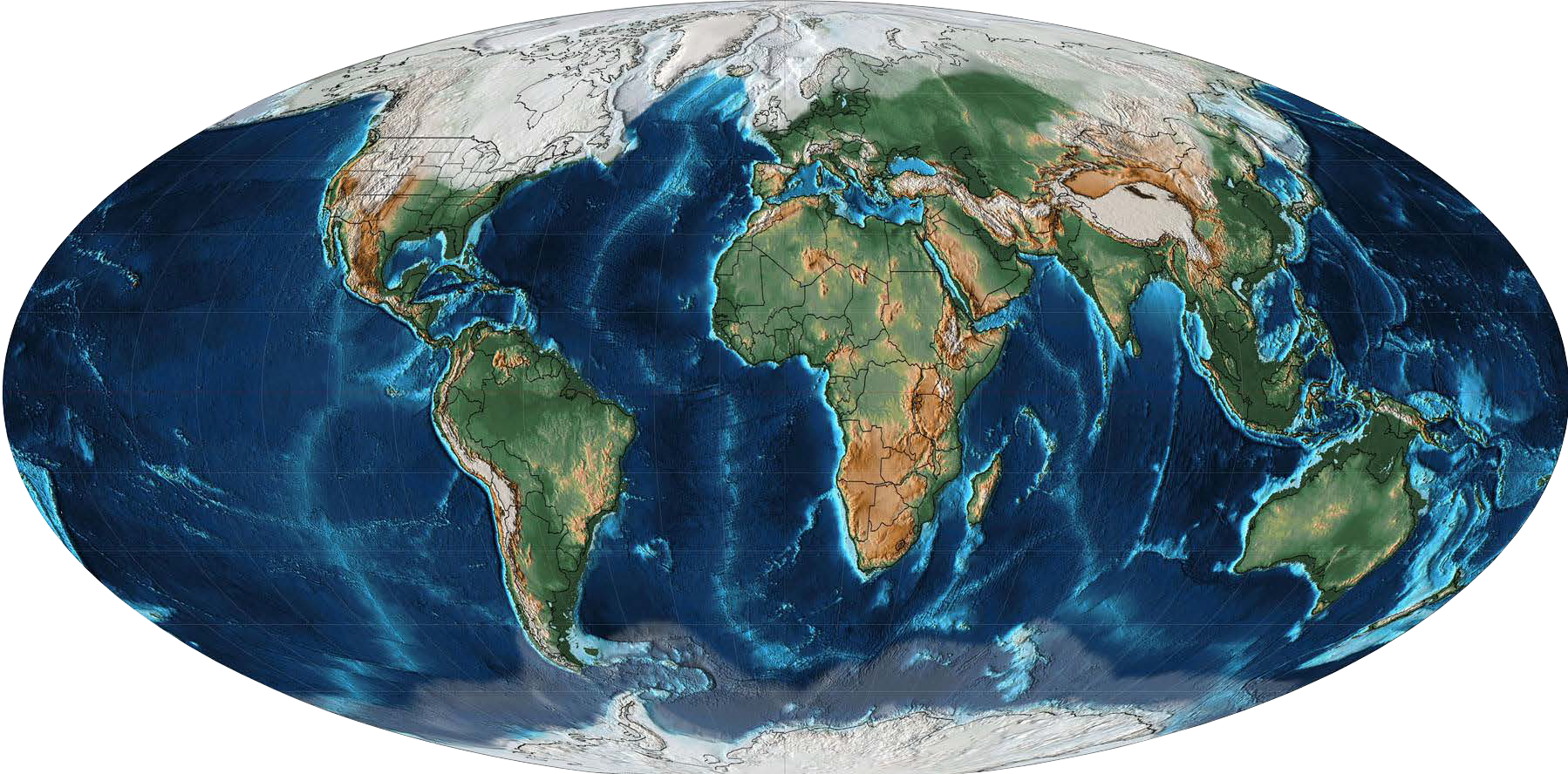
The “Ice Age” refers to the Pleistocene Epoch, a vast period from about 2.6 million to 11,700 years ago marked by repeated swings between extreme cold and warmer conditions. During this time, global temperatures periodically dropped 10–20°F, causing massive glaciers to expand and sea levels to fall as water became locked in ice. These glacial cycles—occurring at least 20 times—were punctuated by warmer interglacial periods when ice retreated and seas rose again, creating a constant climatic “roller coaster.” Technically, we are still in an Ice Age today, living in the current warm interglacial known as the Holocene, which began around 11,700 years ago. This transition is significant because it coincides with the disappearance of many large animals, known as megafauna—species weighing over 100 pounds—including both oversized versions of familiar animals and unique forms like the camel-elephant-like Macrauchenia. Each continent hosted its own distinct megafaunal species, setting the stage for one of the great mysteries of prehistory: why they went extinct.
Megafauna
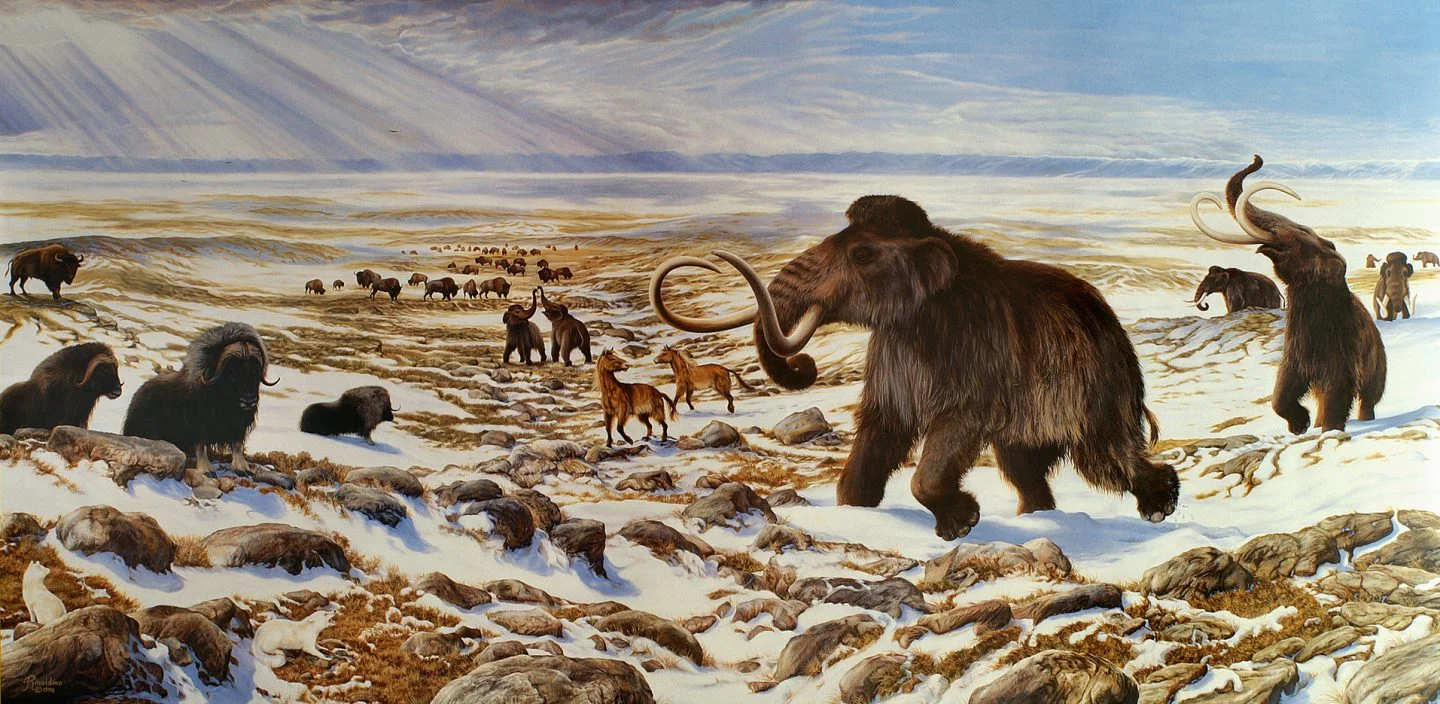
During the Pleistocene, each continent hosted an incredible cast of megafauna, many of which feel almost mythical today. In North America, woolly mammoths and mastodons roamed alongside massive herbivores like Bison latifrons, while predators such as saber-toothed cats, American lions, and bone-crushing dire wolves dominated the food chain. South America offered equally strange giants, including elephant-sized ground sloths like Megatherium, tank-like glyptodonts, and the rhino-like Toxodon, possibly adapted to semi-aquatic life. Over in Eurasia, woolly rhinos, cave lions, and enormous cave bears—despite being mostly plant-eaters—shared the landscape with the towering Irish elk, whose antlers stretched over 12 feet wide. Australia, isolated from the rest of the world, evolved some of the most unusual species of all, from the hippo-sized marsupial Diprotodon to the powerful marsupial lion and the 20-foot-long venomous lizard Megalania.
Africa, too, had its own formidable megafauna, including the saber-toothed Dinofelis, the bear-sized predatory otter Enhydriodon, and the bizarre, heavily built Sivatherium, a giraffe relative with massive, antler-like ossicones. Across the globe, these animals filled a wide range of ecological roles, from giant grazers to apex predators, forming complex ecosystems that thrived for thousands of years. Yet by the end of the Pleistocene, at least 161 species of large mammals had vanished. Despite their diversity, they all share one defining trait—they’re extinct. This raises one of the biggest questions in prehistoric science: what caused the collapse of these once-dominant giants?
The Overkill Hypothesis
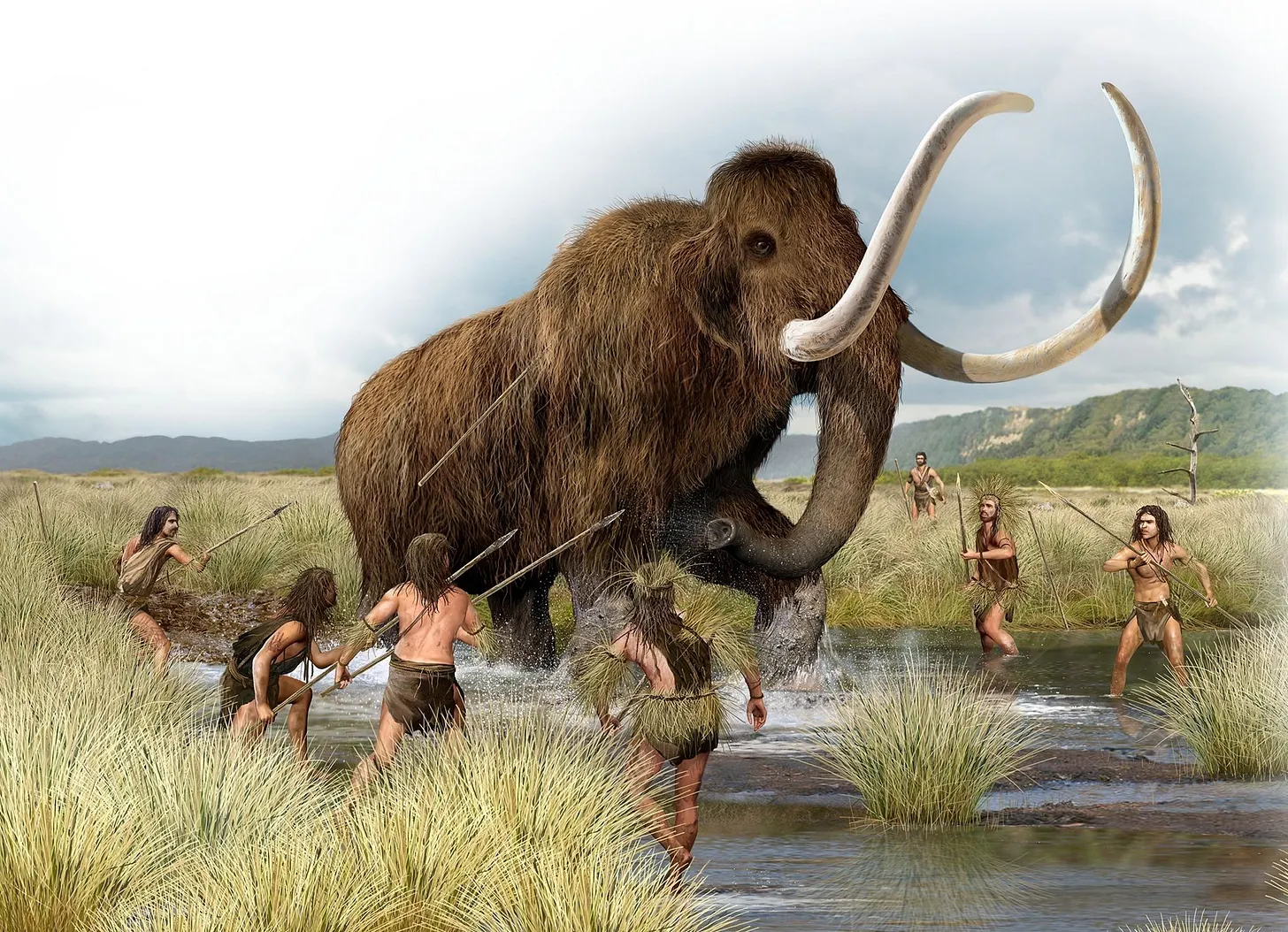
The Overkill Hypothesis argues that humans were the primary drivers behind the extinction of Ice Age megafauna. As Homo sapiens spread out of Africa into new continents like Australia and the Americas, they encountered animals that had never faced human predators before. Lacking any evolved fear, these large, slow-reproducing species—such as mammoths and giant sloths—became easy targets. Armed with advanced tools, fire, and coordinated hunting strategies, humans may have hunted these animals faster than they could reproduce, leading to rapid population collapse. This idea, popularized by Paul Martin in the 1960s, is often described as a prehistoric “blitzkrieg.”
One of the strongest arguments for this theory is timing. Across the globe, megafauna extinctions closely follow human arrival. In Australia, large animals disappeared around 50,000 years ago, shortly after humans arrived. In New Zealand, species like the moa vanished within just a few centuries of human settlement. Similar patterns appear in North America with the spread of the Clovis culture around 13,000 years ago. Archaeological sites show direct interactions between humans and megafauna, including butchered bones found alongside Clovis spear points, often in wetland areas where animals may have been easier to trap and kill.
However, the evidence is not definitive. It’s difficult to distinguish between active hunting and scavenging, and relatively few sites clearly show human-megafauna interactions compared to the total number of human settlements. Some studies even suggest that Clovis weapons may not have been capable of killing massive animals like mammoths, while others show that modern hunter-gatherers can take down large prey with similar tools. Additional evidence, including dietary data and shifting tool technologies, suggests humans relied heavily on megafauna—but whether they alone caused their extinction remains uncertain, leaving climate change as a competing explanation.
Climate Change Hypothesis
Matt Perko
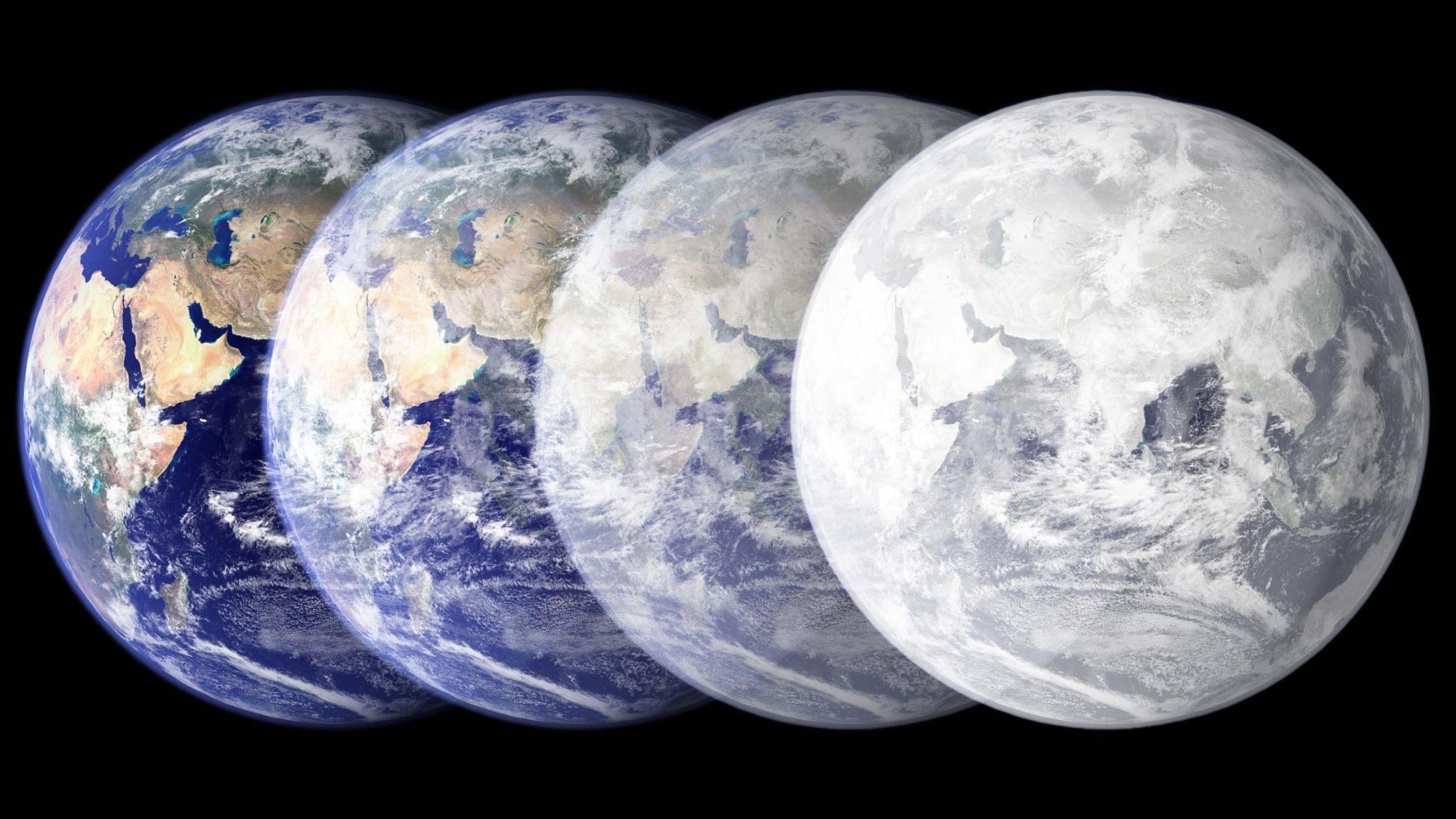
The climate change hypothesis argues that rapid environmental shifts at the end of the Pleistocene played a major role in megafaunal extinction. Between 15,000 and 10,000 years ago, global temperatures rose by roughly 11°F, placing intense heat stress on cold-adapted animals like the woolly rhino, whose thick insulation became a liability. Larger animals were especially vulnerable because they retain heat more easily, and increasingly erratic weather—marked by unstable seasons and shifting rainfall—further disrupted ecosystems. As environments grew wetter, nutrient-rich grasslands gave way to low-quality vegetation and wetlands, starving species like mammoths and prehistoric horses that couldn’t process tougher, more fibrous plants. Meanwhile, animals with more complex digestive systems, like bison, were better equipped to survive. At the same time, shortened growing seasons and long gestation periods made it difficult for large mammals to reproduce successfully, compounding their decline.
However, climate alone doesn’t fully explain the pattern of extinctions. In Australia, many megafauna disappeared tens of thousands of years before these late Ice Age climate shifts, with some extinctions dating back over 100,000 years—well before humans arrived. In Eurasia, humans coexisted with megafauna like mammoths for tens of thousands of years before their eventual disappearance, challenging the idea of rapid human-driven “blitzkrieg” extinction. Adding to the complexity, the end of the Ice Age was marked by extreme climate volatility, including the sudden warming of the Bølling-Allerød period, the sharp return to cold during the Younger Dryas, and a final rapid warming into the Holocene. These dramatic swings repeatedly reshaped habitats, fragmenting ecosystems and pushing already stressed megafaunal populations toward collapse, suggesting that climate change—while not the sole cause—was likely a major force in their extinction.
The Younger Dryas Impact Hypothesis
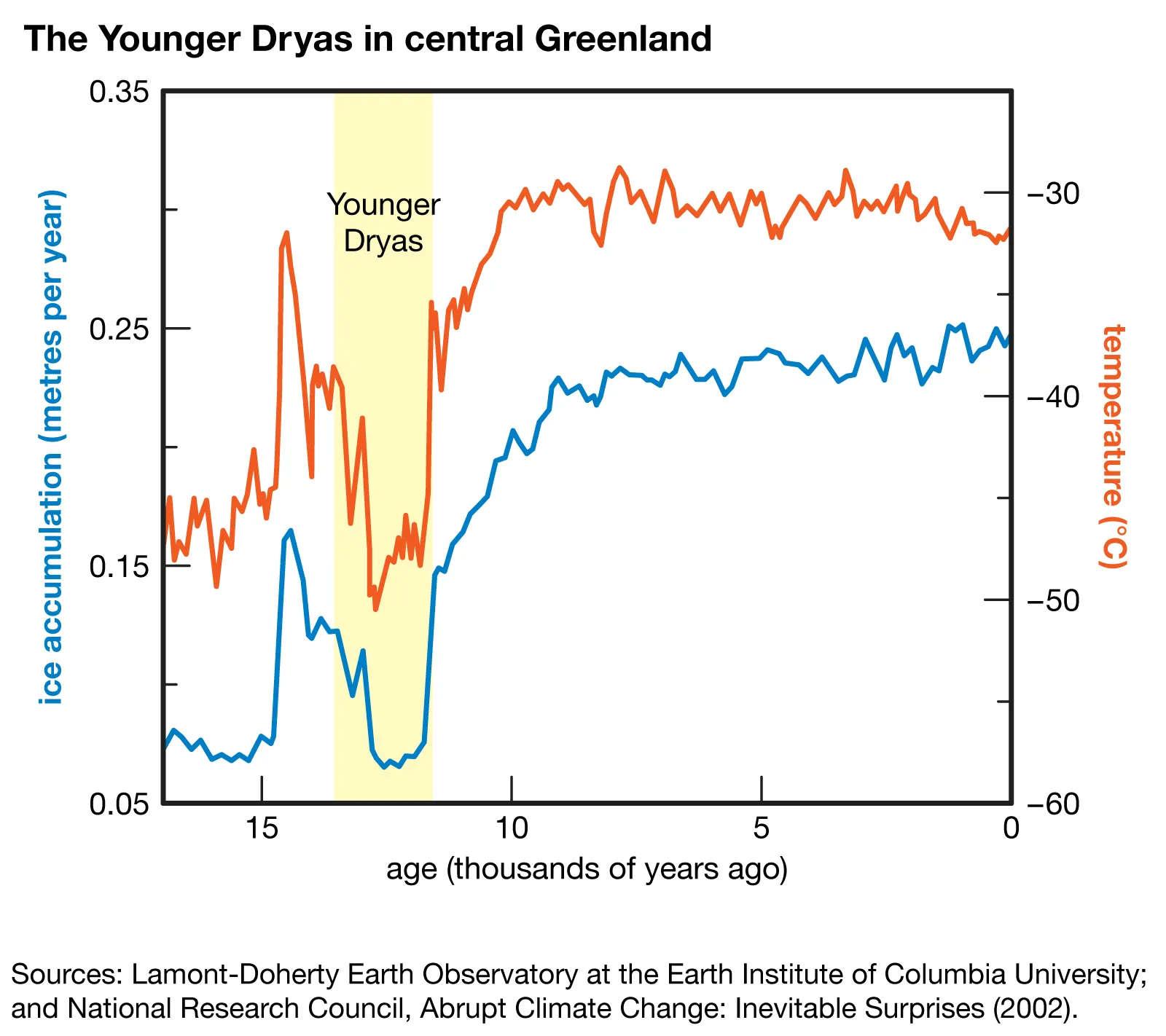
The Younger Dryas Impact Hypothesis proposes that a comet or asteroid struck Earth around 12,900 years ago, triggering the abrupt cooling of the Younger Dryas and contributing to megafaunal extinctions. Some versions suggest a single large impact, while others describe multiple airbursts similar to a massive Tunguska-like event. Proponents argue that this event released vast amounts of freshwater into the North Atlantic, disrupting ocean currents and causing rapid climate cooling, while also igniting widespread wildfires. Evidence cited includes a distinct geological layer called the Younger Dryas Boundary, found across multiple continents, containing unusual markers such as platinum anomalies, nanodiamonds, microspherules, and melt-glass—materials typically formed under extreme heat and pressure. Above this layer lies a “black mat” rich in charcoal and organic matter, interpreted as the aftermath of ecological devastation, with megafauna remains mostly found below it.
Despite these claims, most scientists reject the hypothesis due to a lack of definitive evidence, particularly the absence of an impact crater and inconsistent data from proposed impact markers. Radiocarbon dating of relevant layers varies too widely to support a single global event, and some supposed impact indicators appear in unrelated time periods. The prevailing explanation instead points to disruptions in the Atlantic Meridional Overturning Circulation (AMOC), likely caused by massive freshwater influxes from melting ice sheets such as Lake Agassiz, which weakened ocean circulation and led to rapid cooling. While the exact mechanisms remain debated, the Younger Dryas stands as a major climatic shift, and alongside other warming and cooling phases, likely placed cumulative stress on megafauna populations, contributing to their eventual extinction.
The Verdict
But the most important detail I want you to take away from this entire article is this - The overkill and climate change hypotheses are not mutually exclusive. It doesn’t have to be one or the other. In fact, the most convincing explanation for the extinction of Ice Age megafauna likely lies in a combination of both. As climates rapidly shifted at the end of the last Ice Age, ecosystems were already under stress. The mammoth steppe was fading away, food sources were disappearing, and populations were becoming more fragile. At the same time, humans were spreading into new environments, bringing advanced hunting strategies and pressures that these animals had never faced before. Each factor tells part of the same story. But together, they create a perfect storm. It reveals how multiple forces can converge to reshape life on Earth in profound ways.
So with this in mind, where do you think we’re headed? Will we survive long enough to see the next glacial period? Or will our species go extinct and join the megafauna in the fossil record?
Sources:
[1] Saltré, F., et al. 2016. “Climate change not to blame for late Quaternary megafauna extinctions in Australia.” Nat Commun 7, 10511.
[2] Koch, P. and Barnosky, A. 2006. “Late Quaternary Extinctions: State of the Debate.” Annual Review Ecology, Evolution, and Systematics 37:215-250.
[3] The Pleistocene - The Age of Ice
[4] The evidence is mounting: Humans were responsible for the extinction of large mammals
[5] Perry, G. 2014. “A high-precision chronology for the rapid extinction of New Zealand moa (Aves, Dinornithiformes).” Quaternary Science Reviews 105:126-135.
[6] How Ancient Art Captured Australian Megafauna
[7] Sutton, M. 2021. “Envisioning a Western Clovis Ritual Complex.” PaleoAmerica 7(4):333–364.
[8] Pobiner, B. 2026. “Did Clovis foragers hunt megafauna, scavenge their carrion, or both -And can we tell the difference.” Journal of Archaeological Science: Reports.
[9] Eren, M., et al. 2021. “On the Efficacy of Clovis Fluted Points for Hunting Proboscideans.” Journal of Archaeological Science: Reports 39.
[10] Agam, A. and Barkai, R. 2018. “Elephant and Mammoth Hunting during the Paleolithic: A Review of the Relevant Archaeological, Ethnographic and Ethno-Historical Records.” Quaternary 1(1):3.
[11] Potter, B., et al. 2026. “Hemisphere-wide evidence of Early Paleoindian megaherbivore specialization.” Science Advances 12(27).
[12] Prates, L., et al. 2022. “Changes in projectile design and size of prey reveal the central role of Fishtail points in megafauna hunting in South America.” Sci Rep 12, 16964.
[13] Chatters, J., et al. 2024. “Mammoth featured heavily in Western Clovis diet.” Sci. Adv. 10, eadr3814.
[14] Rabanus-Wallace, M., et al. 2017. “Megafaunal isotopes reveal role of increased moisture on rangeland during late Pleistocene extinctions.” Nat Ecol Evol 1, 0125.
[15] Wroe, S., et al. 2013. “Climate change frames debate over the extinction of megafauna in Sahul (Pleistocene Australia-New Guinea).” Proc Natl Acad Sci 110(22):8777-81.
[16] Nogués-Bravo, D., et al. 2008. “Climate change, humans, and the extinction of the woolly mammoth.” PLoS Biol. 6(4):e79.
[17] Firestone, R., et al. 2007. “Evidence for an extraterrestrial impact 12,900 years ago that contributed to the megafaunal extinctions and the Younger Dryas cooling.” Proc. Natl. Acad. Sci. 104 (41) 16016-16021.
[18] Jorgeson, I., et al. 2020. “Radiocarbon simulation fails to support the temporal synchroneity requirement of the Younger Dryas impact hypothesis.” Quaternary Research 96:123-139.
[19] Bement, L., et al. 2014. “Quantifying the distribution of nanodiamonds in pre-Younger Dryas to recent age deposits along Bull Creek, Oklahoma panhandle, USA.” Proc Natl Acad Sci U S A 111(5):1726-31.
[20] Holliday, V, et al. 2016. “A Blind Test of the Younger Dryas Impact Hypothesis.” PLoS ONE 11(7): e0155470.