
The Neanderthal Cult of the Cave Bear
Aug 10, 2026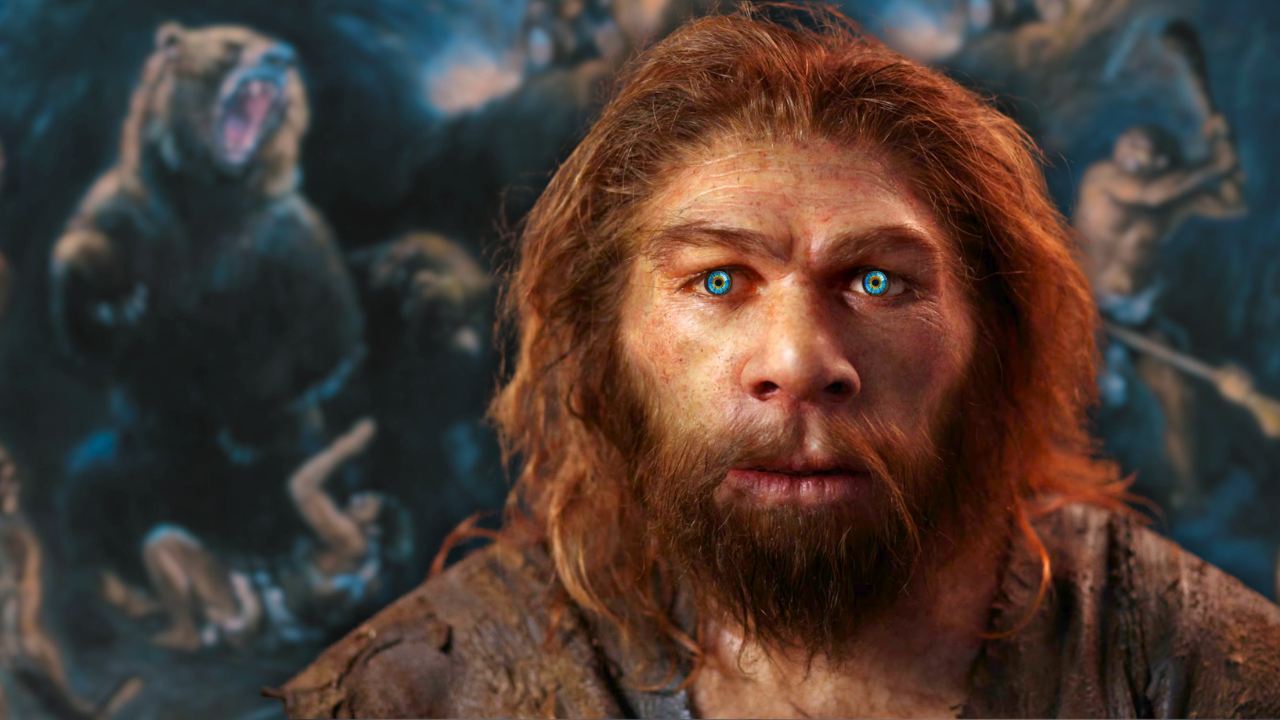
By: Greg Schmalzel
Over 100 years ago, archaeologists found something in a Swiss Cave they couldn’t easily explain. Deep inside were the scattered remains of massive ice age bears. But that wasn’t the weird part. What made them scratch their heads was the placement of the remains. Rather than being randomly distributed across the cave floor, they appeared to me clustered in specific patterns and positions. It looked more organized than natural.
The discovery sparked a bold and controversial idea. Some archaeologists proposed that Neanderthals had intentionally arranged these bones as part of a ritual. The cave bears, after all, were among the most powerful animals in their environment. They shared the same caves, competed for the same space, and posed a very real threat. It wasn’t hard to imagine that an animal of such might could have held a deeper significance for these ancient humans.
But interpretations like this don’t come without problems. Over the decades, researchers have revisited these sites with a more skeptical eye. Many of the original claims have been challenged, and what once seemed like clear evidence of ritual has become far less certain. Still, the idea has never completely disappeared. Partly because the more we learn about Neanderthals, the more we realize how advanced they were.
So were Neanderthals capable of symbolic behavior, organizing rituals around some sort of bear cult? Or are we seeing patterns that were never really there to begin with?
Let’s see where the evidence takes us. And first we must understand who Neanderthals truly were, because they weren’t as primitive as you might think.
For the full YouTube video, click HERE.
Who were the Neanderthals?
Kennis brothers
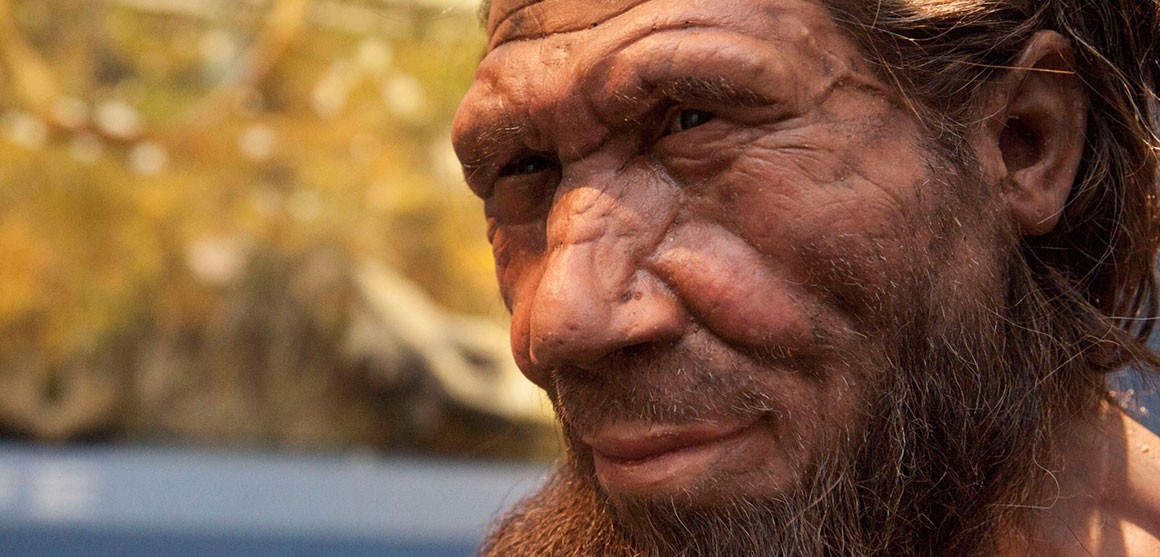
For much of the 20th century, Neanderthals were portrayed as dim, primitive brutes—but that image has been largely overturned. Today, evidence shows they were a highly capable human species. Neanderthals (Homo neanderthalensis) lived across Europe and western Asia for hundreds of thousands of years, adapting to harsh Ice Age environments. Their bodies were short, stocky, and built to conserve heat, unlike the taller, leaner frames of modern humans. These differences likely shaped how they moved and hunted: while Homo sapiens excel at endurance running, Neanderthals were better suited for short bursts of strength, possibly ambushing prey at close range.
Their anatomy also hints at a meat-heavy diet. Large ribcages and wide pelvises supported bigger internal organs needed to process high amounts of protein and fat. Fossil evidence confirms they were skilled hunters, though they also ate plants. Technologically, Neanderthals were far from simple. They crafted advanced stone tools using techniques like Levallois shaping and even made composite tools with adhesives like resin and beeswax.
Perhaps most striking is their intelligence. New research suggests their brain structure was not meaningfully different from ours, challenging the idea that they went extinct due to inferior cognition. In many ways, Neanderthals were not so different from us at all.
Ice Age Cave Bears
Ra'ike
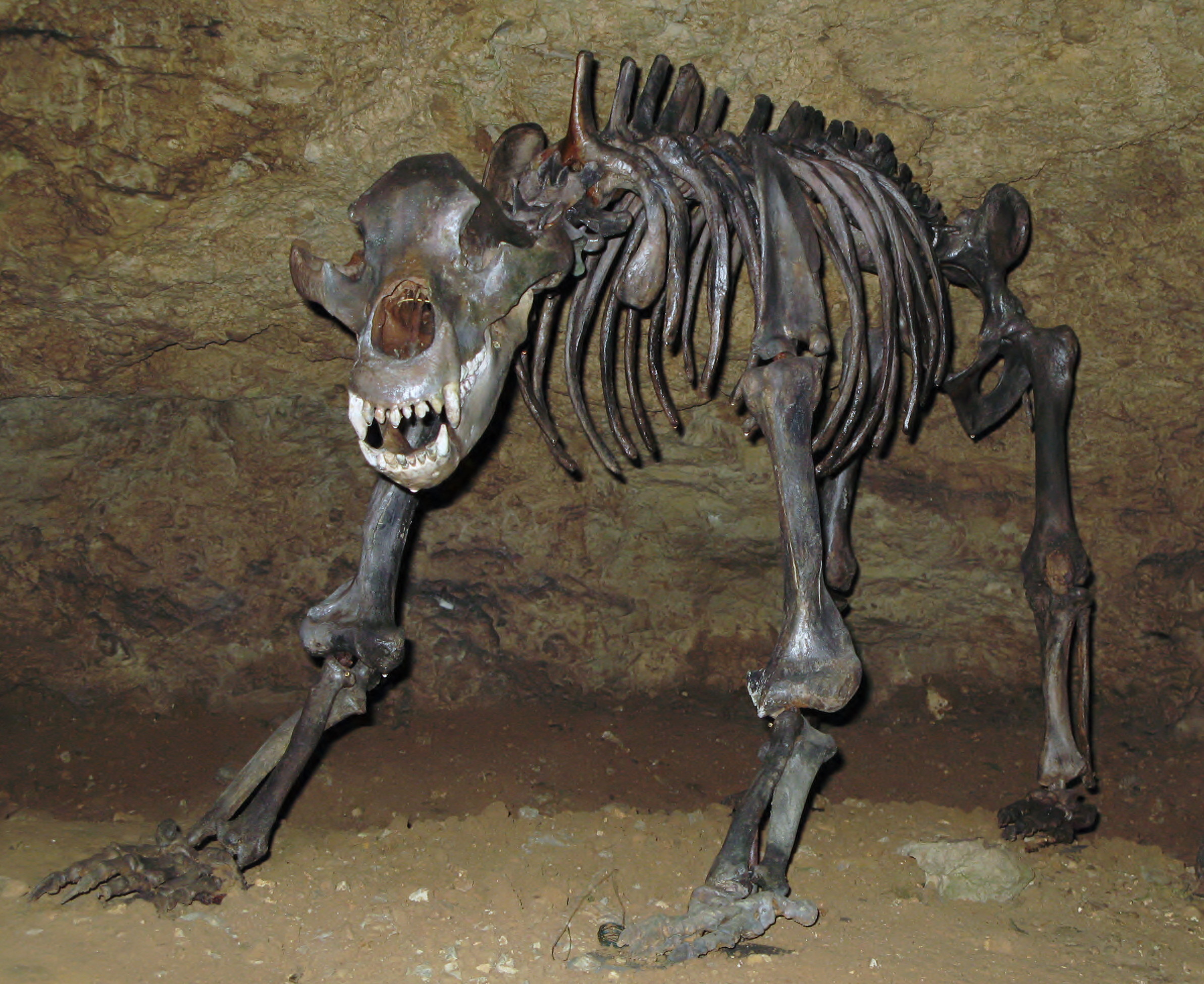
Cave bears were one of the dominant megafauna of the Ice Age, sharing both time and territory with Neanderthals across Europe and western Asia. The most well-known species, Ursus spelaeus, was massive—comparable to today’s largest bears—but surprisingly herbivorous, with teeth adapted for grinding tough plants. Despite their size and strength, their survival depended heavily on caves. They showed a strict “homing” behavior, returning to the same caves to hibernate for generations. This created direct competition with Neanderthals, who also used caves for shelter. Some researchers even suggest both species may have occupied the same caves at times. This overlap set the stage for a close—and possibly complex—relationship.
The Cave Bear Cult
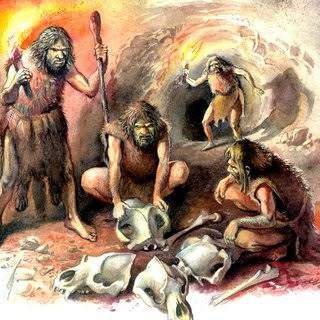
The idea of a Neanderthal “cave bear cult” began with discoveries made in the Swiss Alps during the early 20th century. At Drachenloch, or “Dragon’s Cave,” archaeologist Emil Bächler uncovered unusual arrangements of cave bear bones that he believed showed evidence of ritual behavior. Inside the cave, he found stone structures containing carefully arranged skulls and long bones, including a stone chest filled with bear skulls all facing the same direction. Other discoveries appeared even more deliberate, such as a bear skull positioned between upright leg bones and covered bone deposits hidden in rock niches.
Bächler argued that these arrangements were too organized to be accidental. Because many of the bones had already been stripped by carnivores, he believed they were not food storage areas but instead symbolic places where Neanderthals honored cave bears. Similar discoveries across Europe seemed to support this idea, leading many researchers to believe that Neanderthals practiced some form of bear worship.
However, later scientists began questioning these interpretations. While the discoveries were real, the conclusion that Neanderthals performed religious rituals around cave bears remains debated. Alternative explanations suggest natural processes, animal behavior, or practical activities may have created some of these unusual bone arrangements.
Debunking the Cult
Despite its popularity, the cave bear cult hypothesis faced major criticism as archaeology improved. In 1975, archaeologist Jean-Pierre Jéquier reexamined every major site used as evidence for Neanderthal bear worship and found serious problems with the original interpretations.
One major issue was the quality of early excavations. At Drachenloch, many discoveries from the 1920s were poorly documented by modern standards. Workers, rather than trained archaeologists, carried out much of the digging, and Emil Bächler was not present for every discovery. Important features were never photographed or precisely measured before being dismantled. Later comparisons of Bächler’s own reports even revealed changing details, suggesting that some interpretations may have been influenced by his expectations.
The second problem came from a better understanding of cave geology and bear behavior. Researchers found that natural rockfalls, freezing, and erosion could create formations that looked like human-built walls or stone containers. Meanwhile, generations of hibernating cave bears could naturally move bones and debris into cracks and along cave walls while preparing their nests. Over thousands of years, these processes created strange-looking bone arrangements without any human involvement.
Even unusual discoveries, like skulls positioned with bones through them, have been found in natural deposits predating humans in Europe. While the cave bear cult idea was once widely accepted, modern research shows that many of the original examples were likely the result of natural processes rather than Neanderthal rituals.
Neanderthal Bear Cult Revived?
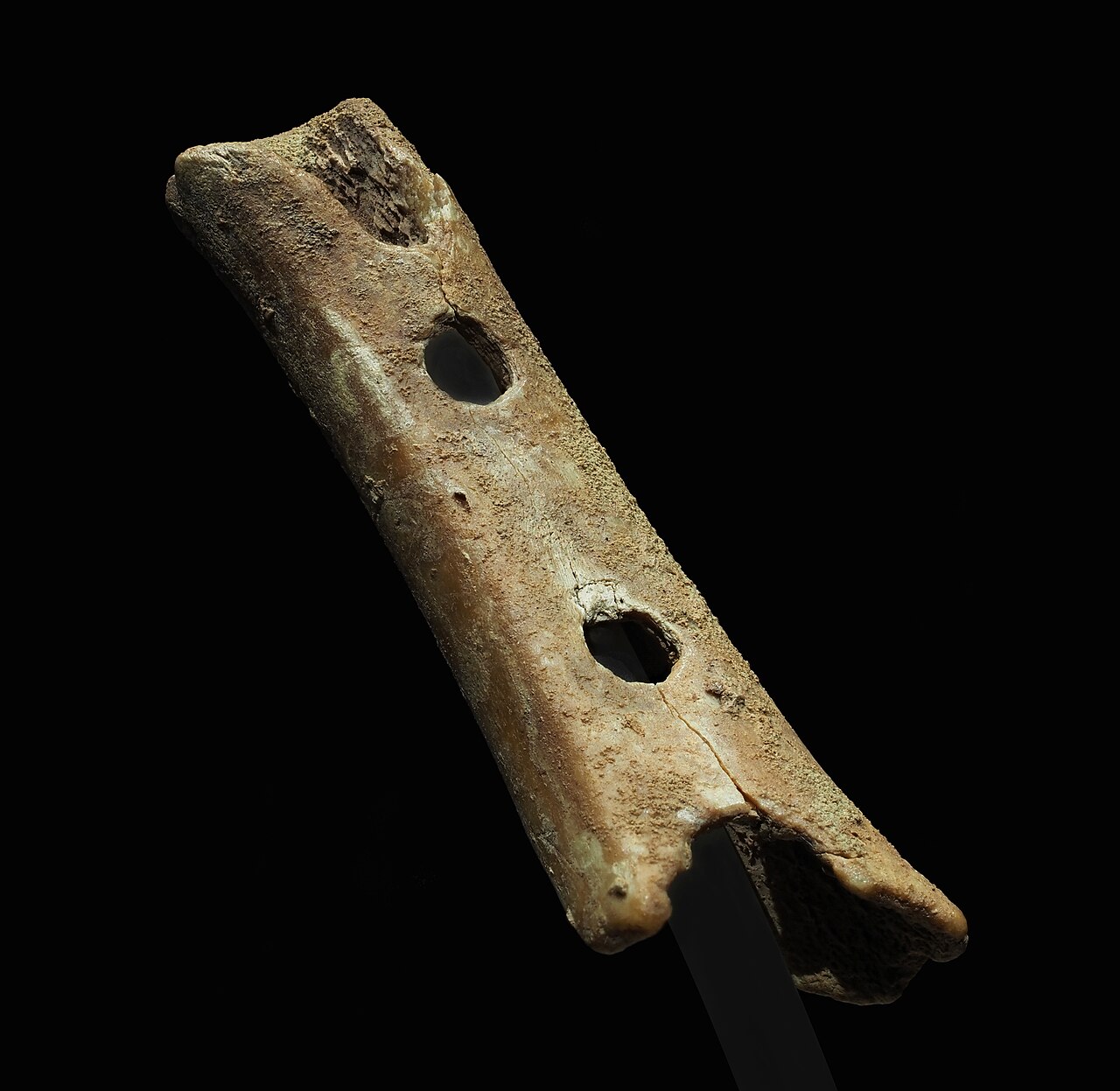
While the original cave bear cult theory has been challenged, new evidence shows that Neanderthals had a much more complex relationship with bears than previously thought. At sites like Payre in France and caves in the Italian Alps, researchers found cave and brown bear bones with clear cut marks, showing that Neanderthals processed these animals for meat, fur, bones, and other materials. However, these discoveries reveal practical use—not necessarily symbolic behavior.
More intriguing evidence comes from Dziadowa Skała Cave in Poland, where researchers discovered a bear bone dating back around 130,000 years with seventeen carefully carved markings. Microscopic analysis suggests the cuts were made intentionally by a right-handed individual using a stone tool. While we cannot know its exact purpose, the deliberate pattern raises the possibility of early symbolic behavior.
Neanderthals also proved capable of complex construction. At Bruniquel Cave in France, they built large stone structures deep underground around 176,000 years ago. These carefully arranged formations demonstrate advanced planning, teamwork, and the ability to create meaningful spaces.
Evidence of Neanderthal rituals extends to burials as well. Sites like La Chapelle-aux-Saints, Shanidar Cave, and Regourdou reveal that they carefully buried their dead and may have incorporated animals into these ceremonies. The controversial Divje Babe “flute,” made from a cave bear femur, even suggests they may have connected bears with music or symbolic expression. While a true bear cult remains unproven, Neanderthals clearly had a deep and complex relationship with these powerful Ice Age animals.
Modern Bear Worship
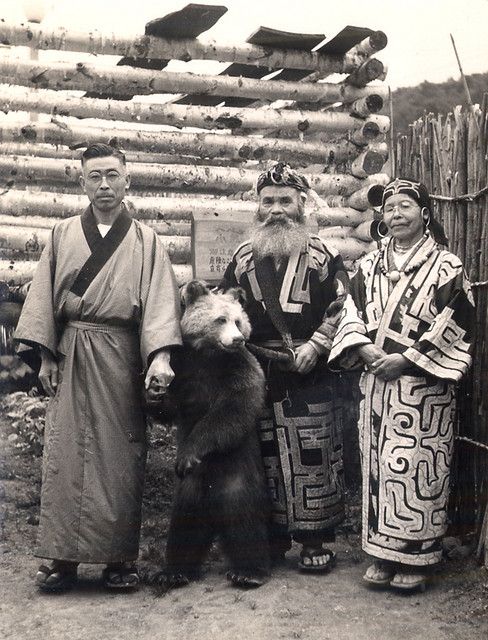
Across the world, humans have long held deep spiritual connections with bears, and some traditions continue today. Among the Ainu people of Japan, the brown bear is known as Kimun-Kamuy, the god of the mountains. Their Iyomante ceremony involves raising a bear cub within the community before holding a ritual farewell ceremony that releases the bear’s spirit back to the heavens with prayers and offerings.
Similar beliefs exist among Indigenous groups in Siberia, where bears are viewed as powerful ancestors or spiritual beings. Bear festivals involve prayers, ceremonies, and respectful treatment of the animal’s remains to ensure its spirit can be reborn. In ancient Finland, bears were considered sacred ancestors so powerful that people avoided saying their true name. Instead, they used respectful names like Otso, meaning “grandfather.” After a successful hunt, communities held ceremonies honoring the bear’s spirit and connection to the cosmos.
These traditions do not prove that Neanderthals worshipped cave bears, but they show that bear symbolism is a recurring theme across human cultures. As we continue learning about Neanderthal intelligence, technology, and symbolic behavior, the boundary between them and us becomes increasingly difficult to define. If humans repeatedly developed spiritual relationships with bears, it is possible Neanderthals may have done something similar.
Sources:
[1] Pomeroy, E. 2023. “Review: The different adaptive trajectories in Neanderthals and Homo sapiens and their implications for contemporary human physiological variation.” Comp Biochem Physiol A Mol Integr Physiol. 280:111420.
[2] Degano, I., et al. 2019. “Hafting of Middle Paleolithic tools in Latium (central Italy): New data from Fossellone and Sant’Agostino caves.” PLOS ONE 14(6):e0213473.
[3] Schoenemann, P., et al. 2026. “Neanderthal brain and cognition reconsidered.” Proc. Natl. Acad. Sci. U.S.A. 123(19):e2426638123.
[4] Knapp, M. 2019. “From a molecules’ perspective – contributions of ancient DNA research to understanding cave bear biology.” Historical Biology, 31(4):442-447.
[5] Christiansen, P. 1999. “What size were Arctodus simus and Ursus spelaeus (Carnivora: Ursidae)?” Annales Zoologici Fennici, 36(2):93-102.
[6] Bartsiokas, A. and Arsuaga, J. 2020. “Hibernation in hominins from Atapuerca, Spain half a million years ago.” L'Anthropologie 124(5):102797.
[7] Chase, P. 1987. “The Cult of the Cave Bear: Prehistoric Rite or Scientific Myth?” Expedition; 29(2):4-9.
[8] Wunn, I. 2001. “Cave bear worship in the palaeolithic” Cadernos Lab. Xeolóxico de Laxe 26:457-463.
[9] Lateur, N., et al. 2024. “Evidence of bears exploitation by early Neanderthals at the middle pleistocene site of payre (MIS 8-6, Southeastern France).” Quaternary Science Reviews 332:108653.
[10] Romandini, M., et al. 2018. “Bears and humans, a Neanderthal tale. Reconstructing uncommon behaviors from zooarchaeological evidence in southern Europe.” Journal of Archaeological Science 90:71-91.
[11] Płonka, T., et al. 2024. “A Middle Palaeolithic incised bear bone from the Dziadowa Skała Cave, Poland: the oldest marked object north of the Carpathian Mountains.” Journal of Archaeological Science 166:105971.
[12] Jaubert, J., et al. 2016. “Early Neanderthal constructions deep in Bruniquel Cave in southwestern France.” Nature 534:111-114.
[13] Pomeroy, E., et al. 2020. “New Neanderthal remains associated with the ‘flower burial’ at Shanidar Cave.” Antiquity 94(373):11-26.
[14] Revealed: face of 75,000-year-old female Neanderthal from cave where species buried their dead
[15] Rendu, W., et al. 2014. “Evidence supporting an intentional Neandertal burial at La Chapelle-aux-Saints.” Proc. Natl. Acad. Sci. U.S.A. 111(1):81-86
[16] Le Regourdou
[17] National Museum of Slovenia
[18] Turk, M., et al. 2020. “The Neanderthal Musical Instrument from Divje Babe I Cave (Slovenia): A Critical Review of the Discussion.” Applied Sciences 10, no. 4: 1226.
Founder